Corrosion-Resistant Fittings and Leak-Proof Valves: Exceptional Performance and Safety Guaranteed
Petrochemicals, derived from petroleum and natural gas, are essential for producing a wide range of everyday products, from plastics and electronics to transportation fuels. Key petrochemicals like acetylene, benzene and ethylene are created by breaking down hydrocarbons in high-temperature manufacturing facilities. Modern plastics represent a vast portion of this total market segment, with new polyethylene and polypropylene plant capacity continuing to come online across Asia, the Middle East, Europe and North America. New and existing facilities require reliable, specification-grade components to maintain production.
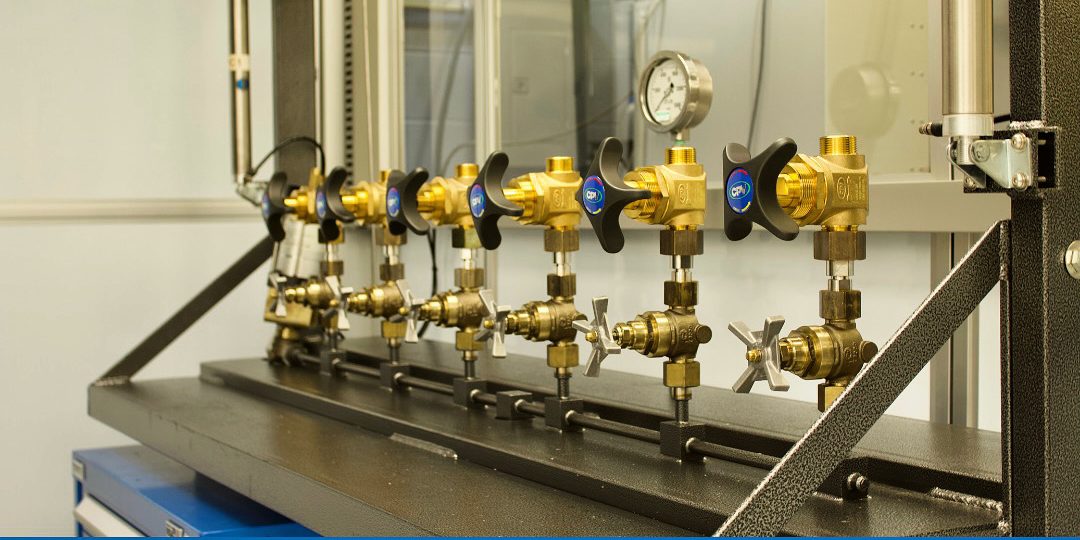
CPV is a leading provider of petrochemical valves and fittings that play a critical role in the petrochemical production process. Valves and fittings are engineered to withstand the high-temperatures and harsh environments of petrochemical manufacturing, enabling companies to operate safely and efficiently. CPV valves are specified by name in some of the world’s largest polyethylene and polypropylene production processes, a distinction earned through more than 30 years of proven performance in the field, stemming from our commitment to quality, innovation and reliability.
A typical licensed polyethylene or polypropylene plant contains thousands of valves, many of which CPV can supply. CPV valves routinely remain in service for decades with minimal maintenance intervention; small, yet vital components in the production process. You too can enjoy a wide range of custom valves to meet your specific needs, as CPV is dedicated to helping you achieve success.
Petrochemical Valves and Fittings Withstand the Toughest Challenges
The true cost of a valve isn’t its purchase price, but what happens with it fails. A single unplanned shutdown in a large-scale polypropylene or polyethylene plant easily costs more in lost production than the entire valve budget for a section of the facility.
Corrosion and leaks for example, are major challenges in the petrochemical industry. CPV solutions overcome these challenges using high-quality materials in manufacturing and an engineered design for components that can withstand the harshest environments to deliver uncompromising performance.
CPV valves are certified leakproof and thoroughly tested against established standards to ensure complete reliability in every application. Valves are subjected to rigorous liquid and gas testing to create parts capable of withstanding the most extreme conditions, to give you peace of mind. CPV fittings are resistant to corrosion, offering exceptional longevity and performance. CPV’s O-SEAL® union-style valve design has been trusted in high-pressure hydrogen, propylene, and catalyst service for more than three decades; all applications where seal integrity and cycle reliability are not negotiable.
Reduce Fugitive Emissions and Protect the Environment
Fugitive emissions are a major concern in the petrochemical industry, but customers can rely on CPV components to control and reduce emissions. Petrochemical valves and fittings are qualified to the industry’s most stringent fugitive emissions standard, helping you meet regulatory obligations and operate more safely and sustainably.
Petrochemical Industry's Top Choices: CPV Valves and Fittings
Valves
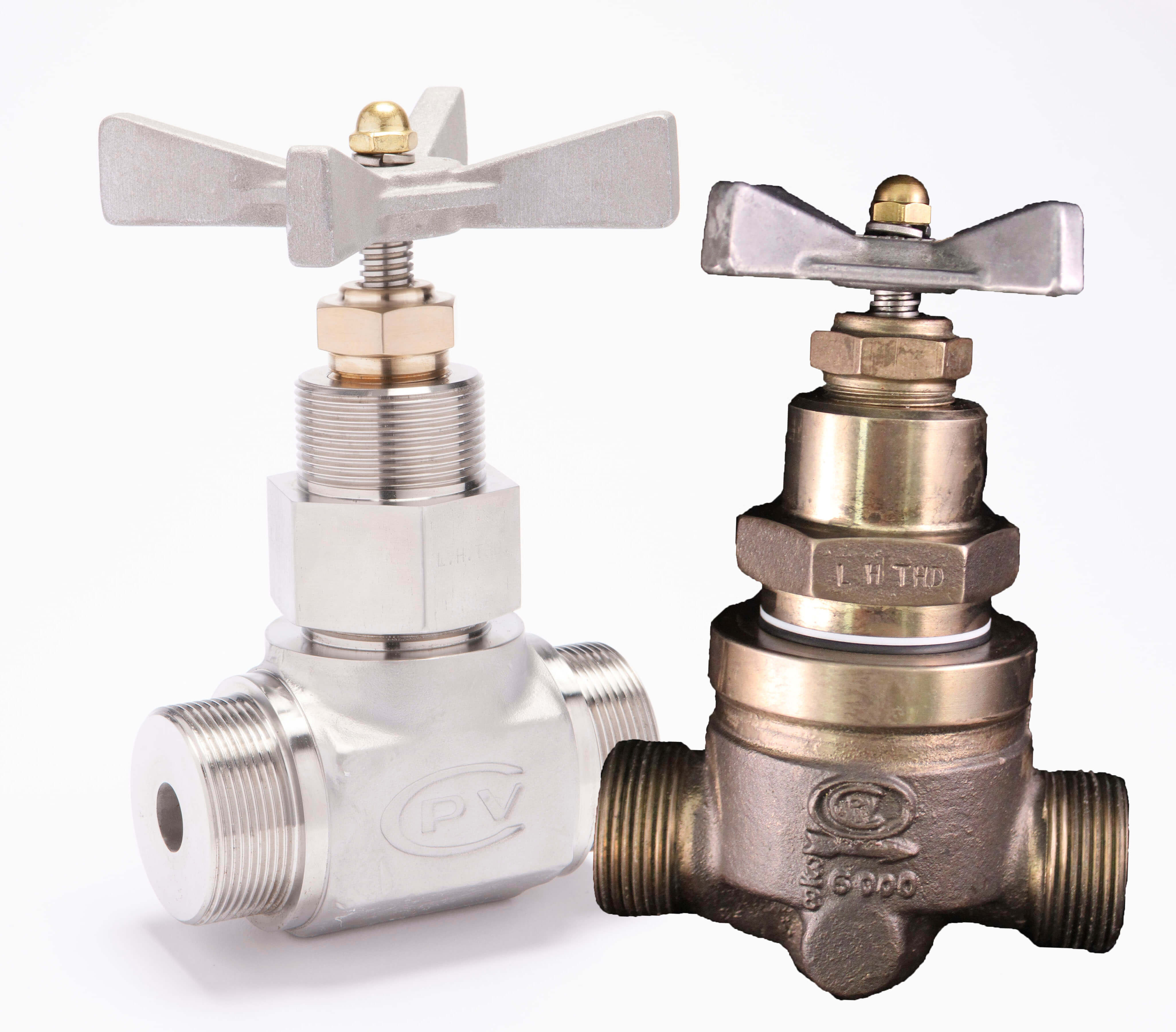
Globe valves’ elongated flow path provides a dampening effect, making them ideal for precise flow control applications such as petrochemical production. CPV O-SEAL, Mark VIII®, and G‑Series® globe valves are known for their safety, reliability, and user-friendly design.
CPV needle valves are designed for precise flow control of water, oil, and gas (WOG) applications. The tapered button (guide tip) enables gradual flow adjustment during closure, ensuring smooth and reliable operation in even the most demanding environments. In petrochemical service, where incremental flow adjustments in high-pressure gas systems must be made without risk of sudden pressure release, this gradual closure design is a critical safety feature.
CPV check valves are ideal for water, oil, and gas (WOG) applications where reliability and versatility are essential. These valves feature a high-quality helical spring that provides positive closure. They are also soft-seated, ensuring a bubble-tight shut-off. In polyethylene and polypropylene production environments, where backflow prevention in catalyst and gas feed lines is essential to process integrity, positive closure and bubble-tight performance are not optional features but baseline requirements
O-SEAL® Fittings
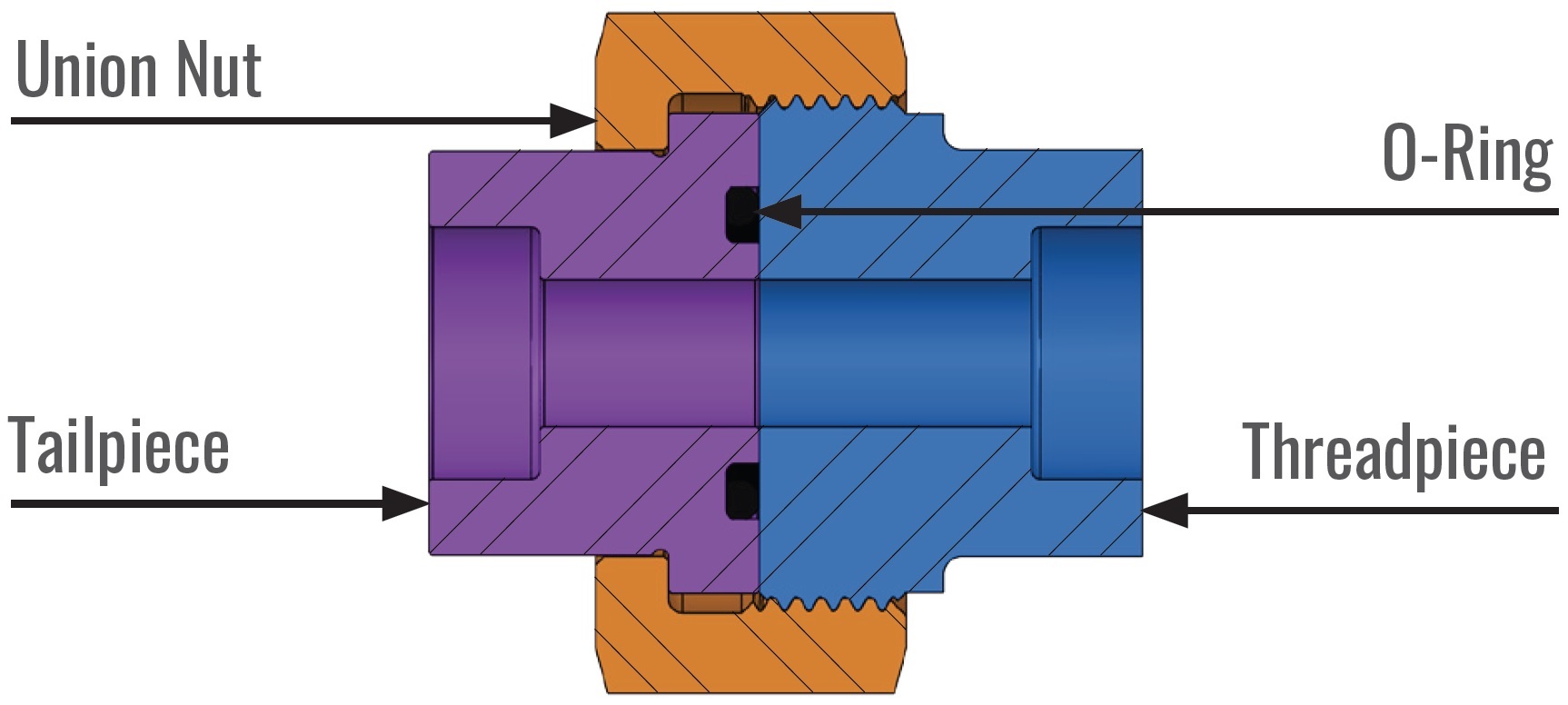
Experience precision like never before with O-SEAL fittings. They are designed to excel in the most demanding petrochemical production conditions. Their unique union O-Ring Face Seal (ORFS) design provides a bubble-tight, self-sealing connection that is resistant to over-torque and vibrations. The robust exterior plating also ensures durability and rust resistance. These properties make O-SEAL fittings particularly well-suited to the high-cycle, high-pressure environments of licensed gas-phase polymerization plants, where connection integrity over decades of continuous service is the standard CPV consistently meets.