Best Way to Clean Stainless Steel in Your Plant
Stainless steel is incredibly durable, but dirt and other contaminants can cause it to break down and deteriorate. However, implementing the proper cleaning methods can help to ensure durability and longevity for the stainless-steel parts and equipment in your plant.
Below are some of the best ways to clean stainless steel in your plant.
Power Washers
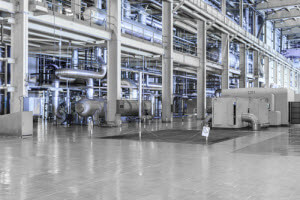 Power washers are used as a general cleaning tool in many manufacturing plants. They use high-pressure water jets to clean large, flat stainless steel surfaces. The water pressure produced allows these washers to effectively remove tough contaminants like dirt and rust with ease.
While the high pressure can make it easier to clean stainless steel, they only cover large areas, so they won’t be able to clean small crevices. On top of that, the water pressure they produce can potentially damage systems and small items. With that said, it’s best not to use this tool to clean internal parts.
Immersion Cleaners
If you need a more precise clean, immersion cleaners can help. Immersion cleaners use different substances to remove various contaminants from irregularly shaped stainless steel parts. For example, solvent cleaners like acetone will help to break down oil and grease. All you have to do is soak the part into the cleaning materials.
 However, immersion cleaners can produce harmful vapors. That’s why it’s important to make sure that your immersion cleaning system comes with an enclosure. This will control the production of vapors and hazardous materials and prevent health issues caused by inhalation.
Industrial Cleaning Systems
Plants that need to clean many parts frequently can consider industrial cleaning systems. These can wash several stainless-steel parts at one time to improve manufacturing process times and efficiency. Plus it can help to minimize labor costs.
Industrial cleaning systems can wash metal shavings, polishing compounds, casting sand, machine oil, and all sorts of foreign materials from stainless steel. However, not all industrial cleaning systems are the same. Some systems are designed specifically to clean certain parts. So consider the intricacy of your stainless-steel parts to ensure that you choose the right cleaning system for your plant.
Manual Cleaning
While these tools and systems can help you clean stainless steel parts, manual cleanings are still considered to be the best option for cleaning.
Cleaning stainless steel by hand can help you get into small crevices machines and tools can’t reach. However, you may need to use toxic and abrasive chemicals depending on the material that needs to be removed. With that said, it’s important to implement safety precautions ensure that all workers and systems are protected.
On top of that, manual cleanings can be expensive in terms of labor costs. So consider your budget to determine if this is the best option for your company.
Cleaning stainless steel can be a tedious task for any manufacturing company. But if you want to ensure that you produce a high-quality product and more efficient systems, it’s a task that needs to be done, and these methods can help.
To learn more, check out CPV Manufacturing’s blog.
 To properly budget manufacturing overhead for your company, you first have to determine the exact overhead costs for each month.
 With the overhead percentage calculated, you’re ready to develop an overhead budget. This process is simple and can provide great financial benefits for any company.
 These are five lean manufacturing principles:
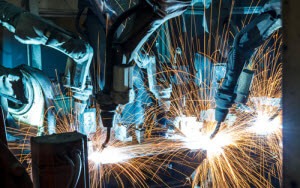 A flexible manufacturing system is designed to react and adapt to changes within the production process, including any unexpected issues or problems. Since the 1970s, flexible manufacturing systems have helped companies to create products quickly and more efficiently.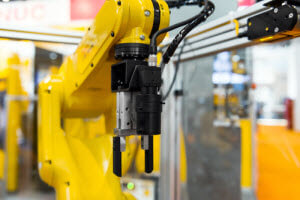
 Lean manufacturing is the process of eliminating or minimizing waste within a manufacturing system. While the process in part dates back to Venice in the 1450s, lean wasn’t fully integrated until 1913. During this time, Henry Ford implemented the process to enhance his production lines of the Model T Ford.
 The purpose of lean manufacturing is to help companies create products without having to deal with waste and bottlenecks during the production process. Essentially, lean helps companies to provide their customers with the valuable products they need when they need them without having to worry about costs and slow delivery times.
 You must identify the focus and goal you want to achieve with the audit. From there, you can select one of the following three audit types that best meets your specified objectives:
 Based on the audit you need, you’ll have to perform specific tasks to accurately measure the performance and effectiveness of a specific area. When it’s time to perform the audit, list each task in a series of steps. Make sure that you follow each step to ensure that nothing is missed.
 As stated, these technologies are becoming one of the most indispensable amenities for manufacturing companies. But how exactly do M2M technologies drive efficiency and lower costs?
 M2M technologies also allow manufacturing companies to track product shipments, storage conditions, and inventory. Sensors attached to pallets and boxes communicate their location and status to connected devices at your plant so you can better keep an eye on your products.
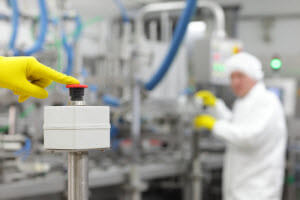 Quality assurance monitors production operations and helps to improve the manufacturing process and prevent defects in the finished product. Common QA tasks include process planning, checklists, and systems operation audits.
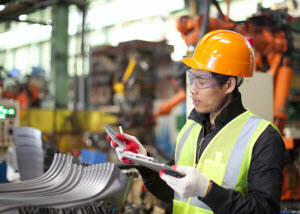 Companies designate a specific team that’s solely responsible for QC. This team will look over the finished items and test each one for errors and defects.
 Manual quality inspections have provided great benefits to plants over the years, but no longer. The development of new, more advanced mobile technologies has given plants a more convenient and effective way to perform quality inspection processes.
 To better ensure quality in plant performance and production, it’s critical to have and follow a