Life-Cycle Costing: The True Cost Associated
Buying valves, tools, and other industrial devices for your company isn’t an ordinary purchase; it’s an investment that may require additional expenses over time. So how do you know if a product is worth your money? This is where life-cycle costing, or LCC, comes in and the true cost associated with it.
What is Life-Cycle Costing?
 Life-cycle costing is a popular method that emerged in the 1960s to help consumers determine the true cost of a product over its lifetime. The method quantified not only the cost to buy a product but also all ownership expenses, including repairs, maintenance, and installation and disposal fees.
An LCC analysis can give consumers an idea of how much they could spend on a new system, software, or part. On top of that, an LCC analysis can help businesses narrow down their options and decide whether an item is worth the expense.
How to Calculate the True Cost Associated
An life-cycle costing analysis combines all ownership expenses to determine the true cost associated with a product. However, the value calculated is only an estimate of an item’s overall cost. There are ways to calculate the real cost associated with a product more accurately, but they require expensive data collection procedures.
With that said, it’s best to base your buying decisions on qualitative parameters rather than just price. Doing this won’t show the amount of all the expenses a product may need in its lifetime, but it will help you determine if the product is worth your time and money.
Here are the steps you need to follow to create an life-cycle costing analysis table based on qualitative parameters, like this one seen in Valve Magazine.
1. Fill Table with Products and Parameters
 The first step when creating an life-cycle costing analysis table is to list all the products you’re considering on one axis. If you’re considering multiple products made by one company, categorize each product by brand.
Then make a list of the parameters that are most important to you on the other axis. A few examples of parameters include product availability, ease of maintenance and application, and overall reliability. You can also add price to your list, but refer to it only as a qualitative feature, not a numerical value.
2. Rank Each Product
Next, rank each product on its ability to fulfill each parameter listed on a scale of one to five. For example, if a product has the lowest purchase price, you would give it a five. If another product has an average price point, you would give it a three.
3. Calculate Final Score for Each Product
Finally, add up all numerical scores for each product to determine its final score point. The item with the highest score point will be the one that’s best for your money and your company.
Life-cycle costing doesn’t just help you determine the true cost associated with a product. It also helps you understand which valves, tools, and devices are worth your time and your money and which items are best for your company.
For more cost-effective solutions to help you better run your business, read our post on how to calculate and budget manufacturing overhead.
 Pressure Relief Valves
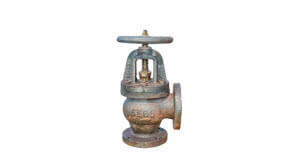
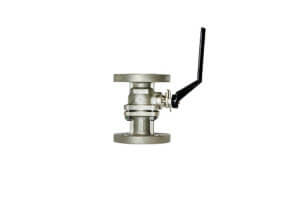 Globe valves designed to have the pressure flowing under the disc are used in low-pressure and low-temperature applications such as general plumbing. This type of flow direction lets the disc to rotate freely on the valve stem. This allows the disc to fit properly against the seat as the valve closes, which results in less seat leakage
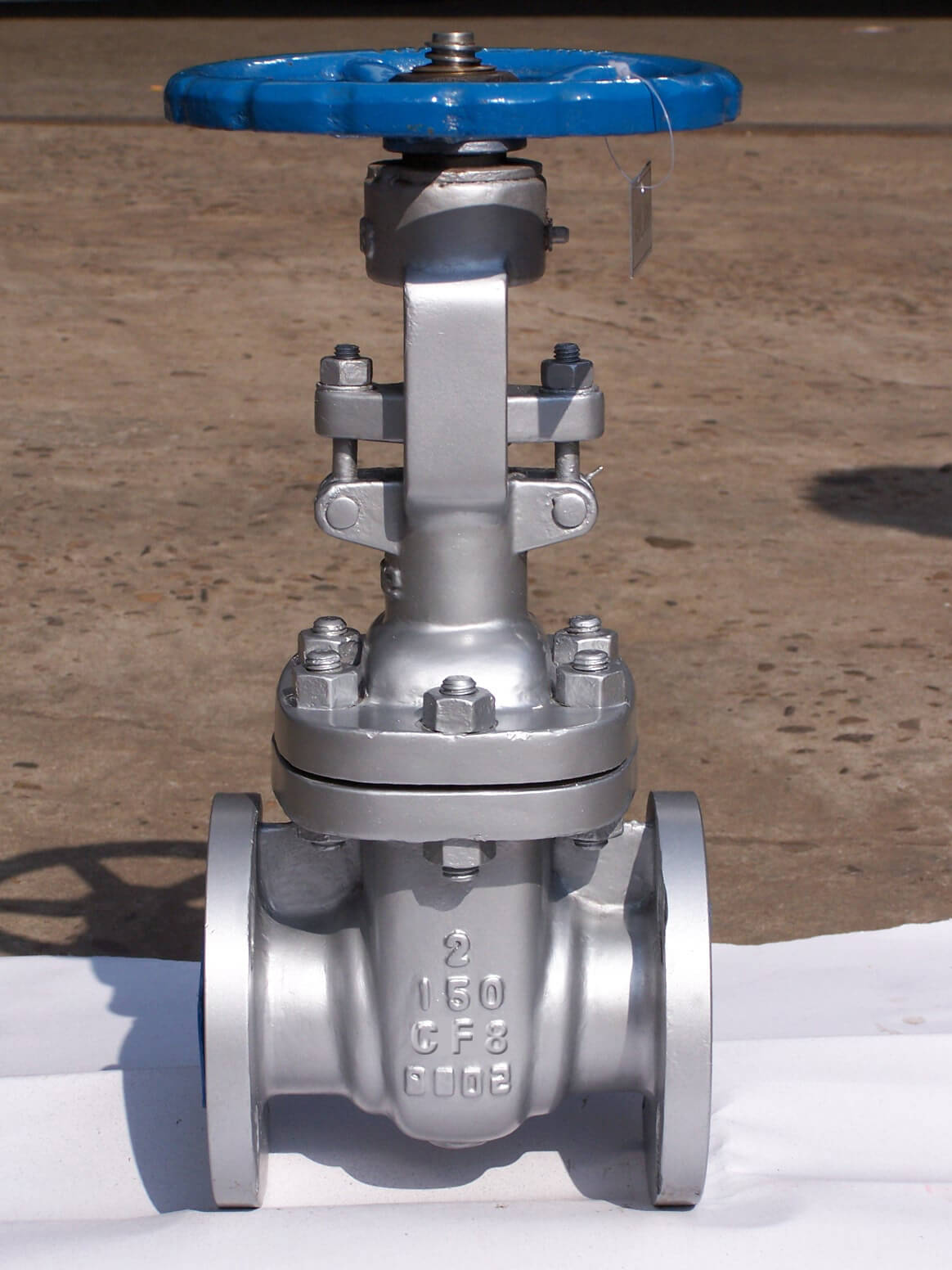 Globe valves vs gate valves are designed for many applications in several fields, including the oil and gas industry. However, each valve doesn’t serve the same function.
 To help you train your new team of workers, here are a few tips to ensure proper training for valve and control engineers in your plant.
 Industry 4.0
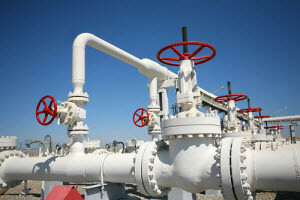 Water hammer is a common problem with various types of systems and pipelines. It’s caused by pressure surges and shock waves that occur when the direction and flowrate of the liquid running through the system changes. Symptoms of water hammer include loud hammer noises and vibrations in the pipelines.
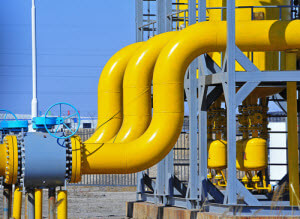 Like water hammer, reverse flow can be prevented by using a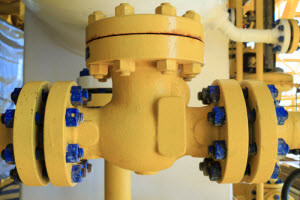
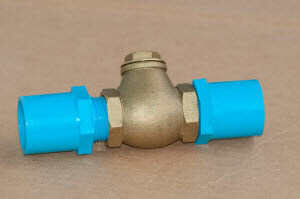 Check valves are one of the most-used valves available and for good reason. These valves can help to boost efficiency and ensure safety for many types of systems.
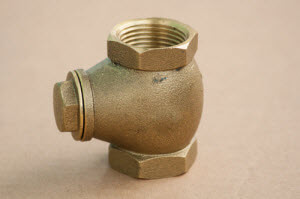 Swing check valves feature a simple design complete with a disc attached to a hinge at the top. As fluid passes through, the valve remains open. When a reverse flow occurs, the changes in motion as well as gravity help to bring down the disc, effectively closing the valve.
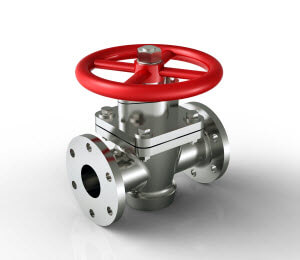 These types of check valves also work with an external mechanism or an override control. With these, you can set the valve to close regardless of flow direction or pressure to ensure safety and efficient operations.
 Hydraulic systems are made up of numerous parts:
 In addition to vehicles and industrial machinery, hydraulic systems can be found on ships. Hydraulic systems on ships are used in various applications. For example, systems used for cargo systems make carrying heavy materials and performing other cargo operations easier and less time consuming.
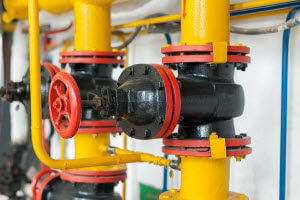 Control valves are one of the leading factors in plant efficiency. They’re designed to keep systems operating smoothly and safely. However, with time, a valve’s performance can plunge. Luckily, there are ways to prevent that and optimize its performance.
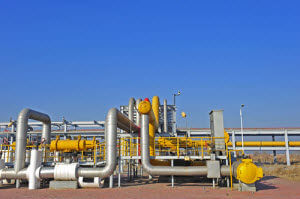 For a control valve to work properly, the linkage within the assembly must provide feedback on the valves’ position so the control instrument can control it accurately. Unfortunately, vibrations that occur around the assembly can cause damage and severe wear and tear to the linkage. This can make it fail in providing the necessary feedback.