
Forging vs Casting Valves
All valves are indispensable parts of any industrial system, but not all valves are created in the same way. For example, some valves are forged and other valves are cast. So what are the differences between forging vs casting valves and which type of valve is best for your specific application?
Forging vs Casting Valve Methods
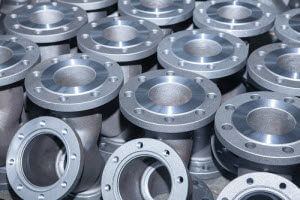 Forging and casting are two of the most common ways to create high-quality valves. The biggest difference between forging vs casting valve methods is how they’re carried out.
Forging Valves
Forged valves are created using a forging method that involves shaping metals and alloys while they’re in their solid form. Heat and industrial-size tools deliver compressive forces to bend the metals and alloys, and dies are used to cut and shape the materials to create specific valves. Forging can be performed in most temperatures depending on the metals used.
Forging valves presents many benefits for industrial companies. For example, companies don’t have to worry about wasted materials. Since forged valves are shaped into one solid piece, little effort is needed to rework the material to achieve the proper shape and size.
Forged valves have a reputation for being strong, which make them ideal for handling high-pressure and high-temperature systems. During the forging process, the metal’s grain structure becomes more refined. This leads to an increase in impact and overall strength. Also, forging boosts its resistance to common issues such as cracks, shrinkage, and porosity.
On top of that, forging can create valves with less wall thickness. This helps to reduce the likelihood of thermal fatigue during valve operation. This also means that forged valves can be heated and cooled more quickly, which allows them to adequately handle the stresses of systems that continuously cycle through start-up and phase-down processes.
Casting Valves
 Unlike forging, casting uses the liquid form of metal to create valves. These metals are melted into a molten liquid and poured into various molds. Once the liquid cools and solidifies, it’s broken out of or ejected from the mold.
One of the biggest benefits of casting is that it can create valves with complex shapes, patterns, and sizes. Using a mold to manufacture these devices gives you more freedom to make different types valves with more intricate parts.
Casting valves are also a great cost-effective solution for many companies. It allows you to make valves using more types of metals and alloys. Plus, since it doesn’t require as much labor as forging valves, casting helps to reduce machining costs, especially when creating valves of complex shapes.
Most importantly, casting valves provides an easier and less time-consuming way to make replacement parts when a system’s current valves break down and deteriorate.
For more information about forging vs casting valves, contact CPV Manufacturing.
 Technavio’s market research report states that the nuclear power industry in China is one of the most prominent driving forces behind the market’s growth. Pressure relief valves play a vital role in nuclear power plants. They protect super heaters, turbines, and boilers to help the stations run at the optimal high temperatures and pressure.
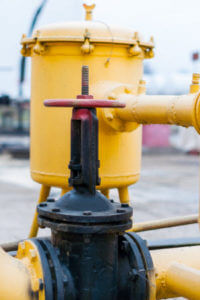 Business Wire also mentioned that the global pressure relief market in the petrochemical and chemical sectors is predicted to grow at a CAGR of 2% and exceed $1 billion in value. One reason for this is that more developing countries are increasing their own chemical production and relying less on European imports. In fact, by the end of this year, India will become an exporter of polyethylene.
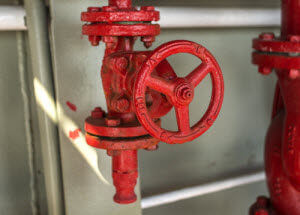 High pressure relief valves are vital to many piping systems and vessels. From electronic to pneumatic to hydraulic systems, they all need a high pressure valve to ensure protection and safety.
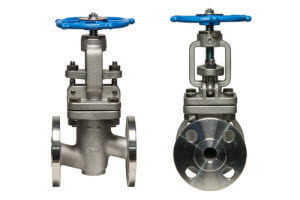 A high pressure relief valve opens gradually depending on the system’s overall pressure levels. As pressure increases, the valve’s opening gets bigger to maintain stability.
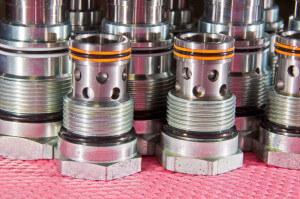 Valves are delicate devices designed to ensure safety and proper operation. With that said, valve failure is quite common.
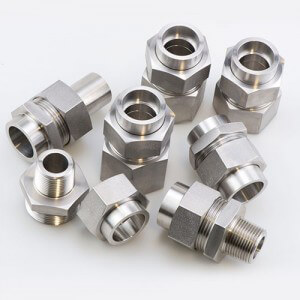 As stated previously, faulty valves can cause severe damage to systems and vessels. However, the following
 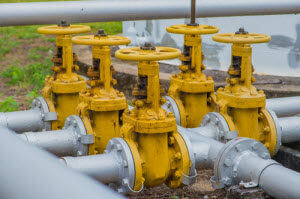 Pressure relief valves come in different metals. Each metal is meant to cater to specific applications. Depending on the system, a valve made with a certain material may be needed to ensure safety and proper operation. For example, stainless steel pressure relief valves have properties that allow them to work best in plants with corrosive materials.
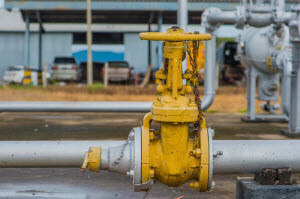 The National Board of Boiler and Pressure Vessel Inspectors state that the set pressure of the valve cannot exceed the maximum allowable working pressure. However, a valve with a set pressure less than the maximum allowable working pressure is acceptable.
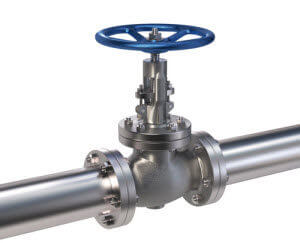 Normally closed valves are designed to block flow through the valve and are commonly
 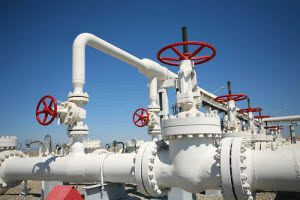 There are normally open solenoid valves as well. These devices will remain open until power is sent to the coil and signals the plunger to close.
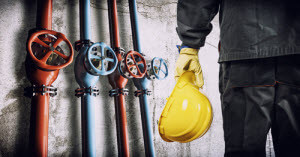 When valves do fail, it can result in negative outcomes such as the costs of ownership, fugitive emissions and safety hazards. Safety valves are put in place to reduces these emergency safety hazards.
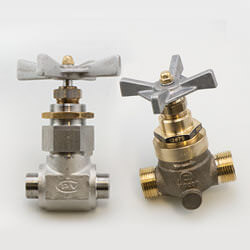 The purpose of a spring loaded pressure relief valve is for a simple, reliable system actuated device that will provide overpressure protection. According to
 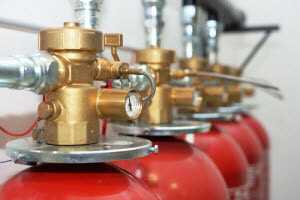 There are four PRD types. Learn more about what each one is comprised of and its purpose.
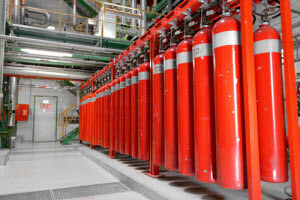 Just like with any product, a
  Valve maintenance is necessary to keep your valves running smoothly at all times. Valves are important to your process, and the results could be disastrous if they stop functioning the way they were designed to. Your valves require maintenance to work their best.
 Valve Lubrication: This section explains the benefits of regularly lubricating valves in a system, even if the valve only performs an opening and closing action. It’s important to lubricate two surfaces that continuously slide over one another. It makes the parts last longer and work better.