
CPV Manufacturing builds for a variety of industries
CPV Manufacturing designs valves and fitting for the unique requirements of many different industries. We have been manufacturing equipment for high-pressure applications for more than 100 years. We understand that critical applications need the highest quality valves and fittings. Our team creates equipment that can stand up to harsh environments while meeting and exceeding all industry standards. Find out more about the industries we serve and how we can manufacture the perfect valves or fittings for your unique application.
Shipbuilding
Shipbuilding and marine valves and fitting must be reliable, durable, and easy to maintain and operate. We manufacture a huge variety of high quality fluid valves and pipe fitting for ships, including valves used on U.S. Navy ships and nuclear submarines. Our equipment is made to stand up to the vibration, pressure, and environmental conditions that affect ship’s valves and pipe fittings. Whether you are looking for hand valves, check valves, air-actuated valves, high-pressure relief valves, or something else, we can help.
Petrochemical
Natural gas and petroleum operations rely on precise pressurized systems for daily operations, worker safety, and environmental protection. CPV Manufacturing creates valves and fittings that are resistant to the chemicals, corrosion, and high temperatures of petrochemical facilities and operations. We meticulously test our products to ensure they are reliable, and we design our valves to lower fugitive emissions. Come to us for custom valves and fittings created for your unique petrochemical operation.
Industrial Gas
Industrial gas operations and automated filling stations require valves and fittings that can carefully and automatically control pressure under a variety of temperature ranges. CPV Manufacturing creates pneumatic valves and control actuators for custom industrial gas operations. Our products are designed to improve efficiency and perform reliably for long periods of time. Come to our experts for more information on our industrial gas valves and control systems.
Chlorine
Chlorine is very dangerous in its liquid or gaseous form and the reliability of pressurized systems that contain it are paramount. We design fluid fittings and valves that stand up to corrosion, prevent chlorine from reacting with outside substances, and prevent the release of toxic gas. Our products are carefully tested and are designed to minimize fugitive emissions from chlorine systems. Learn more about CPV’s high quality valves and fittings designed for chlorine applications.
Oil & Gas
Oil and gas valves and fittings are subjected to high-pressure, extreme environmental conditions, and mechanical vibration. At CPV Manufacturing, we create durable valves and fittings for the oil and gas industry that are carefully designed to stand up to these conditions. All of our valves and fittings are designed to reduce the environmental and financial impact of fugitive emissions. Our experts are here to create high-performance valves and fittings for your specific oil and gas industry applications.
Pharmaceutical
Valves and fittings used in the pharmaceutical industry must perform reliably and precisely for long periods of time. CPV excels at creating valves and fittings that adhere to the most stringent standards. We know the important role our valves and fittings play in complex medical and pharmaceutical equipment. Our manufacturing experts create products like rising stem valves, soft-seated valves, and more that fit your exact requirements.

 Increasing pressure from the public and lawmakers about global warming and other environmental hazards has resulted in stricter standards for fugitive emissions. Fugitive emissions are gases or vapors, such as volatile organic compounds (VOCs) and greenhouse gases, that leak from pressurized equipment into the atmosphere. Fugitive emissions are costly not only in terms of human and environmental health, but they also pose a threat to profits in many industries.
 A skills gap refers to the difference in the skills required for a job and the actual skills a potential employee has. A skills gap in manufacturing can cause a number of issues for many companies. However, the biggest concerns caused by this ongoing problem are worker shortages and the inability to meet consumer demands.
 Because it’s gotten so difficult to find qualified employees, businesses have had trouble keeping up with and fulfilling consumer demands. With a lack of skilled employees, productivity can decline and lead to slower production times, increased operation costs, and other performance issues.
 From designing new parts to testing and producing them, the product development cycle can be an extensive and time-consuming process for manufacturing companies. However, this product development will work to change that.
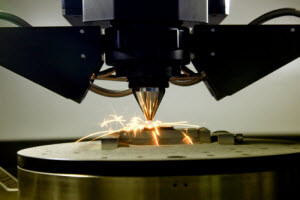 Lean manufacturing has provided businesses with countless benefits and has helped to increase productivity and overall efficiency. 3D printing will make it easier for companies to follow and
  The Managing Aging Plants Conference & Expo strives to provide those in the industry with the resources needed to run their plant more efficiently. This is the first Managing Aging Plants Conference & Expo for North America, and it will focus on the most important issues that can occur when running a plant that is close to or has reached its original design life expectancies. The event is also held in Germany and Japan.
 Overall, the Managing Aging Plants Conference & Expo will focus on four areas that workers need to understand to overcome the challenges faced when running an older plant:
 Agile manufacturing is similar to
 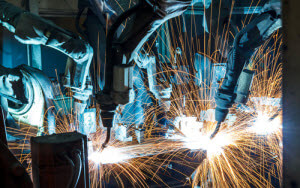 Agile manufacturing has four elements:
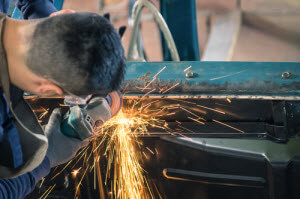 Industry 4.0 is changing the manufacturing industry for the better. Companies adding advanced technologies to production lines have seen an increase in efficiency and a decrease in overall operation cost.
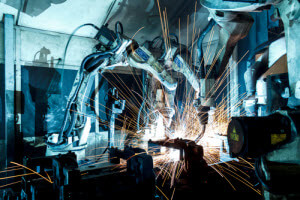 Industry 4.0 can also cause problems in job security for many workers. Since many of the technologies are fully automated, they may replace workers and jobs in the production line.